
You can search all of our articles using this search block.
Australia’s fuel crisis exposes a decade of ignored warnings
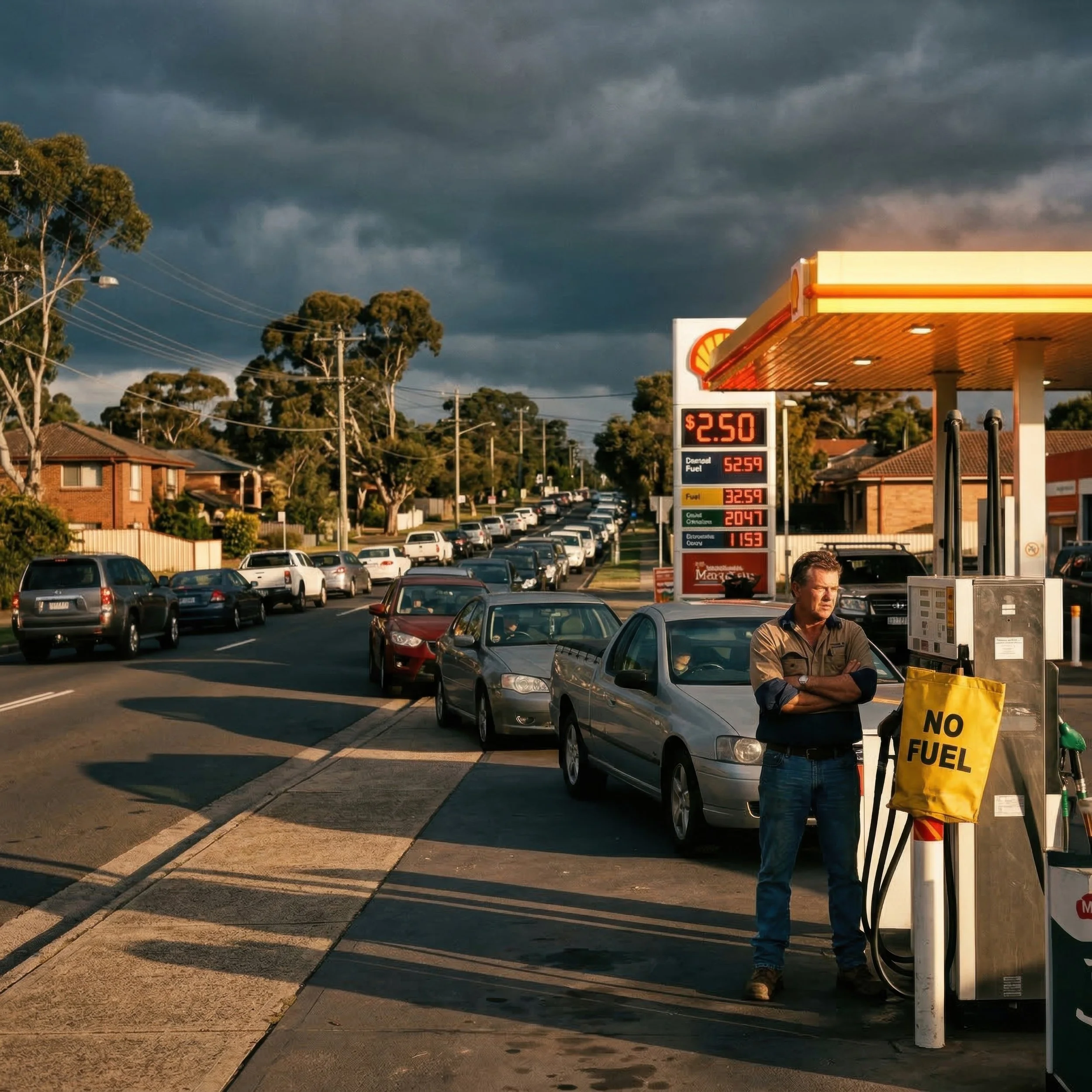
The 2026 Strait of Hormuz crisis has exposed Australia's decades-long failure to secure its fuel supply, with the country holding just 30–36 days of reserves against an IEA obligation of 90 days while importing 90% of its refined fuel from Asian refineries that themselves depend on Middle Eastern crude. As regional towns run dry and panic buying drains distribution networks, the Albanese government's response — insisting supply is "currently secure" while telling citizens not to panic — follows a pattern of crisis communication that research consistently identifies as counterproductive, with psychological reactance theory demonstrating that controlling language can produce the exact hoarding behaviour governments seek to prevent. Historical parallels from Germany's 2022 energy crisis, the UK's 2021 fuel panic, and WW2 rationing all confirm that the communication strategy that actually works is not calibrated reassurance but radical transparency paired with practical empowerment: telling citizens exactly what the situation is, what triggers escalation, and what they can do to contribute, transforming them from anxious consumers of vague assurances into informed participants in a collective response. Australia's fuel crisis is ultimately a stress test not just of energy security but of democratic governance itself, and the widening gap between official messaging and the lived experience of empty bowsers in regional communities is eroding precisely the public trust the government will need most if this crisis deepens.